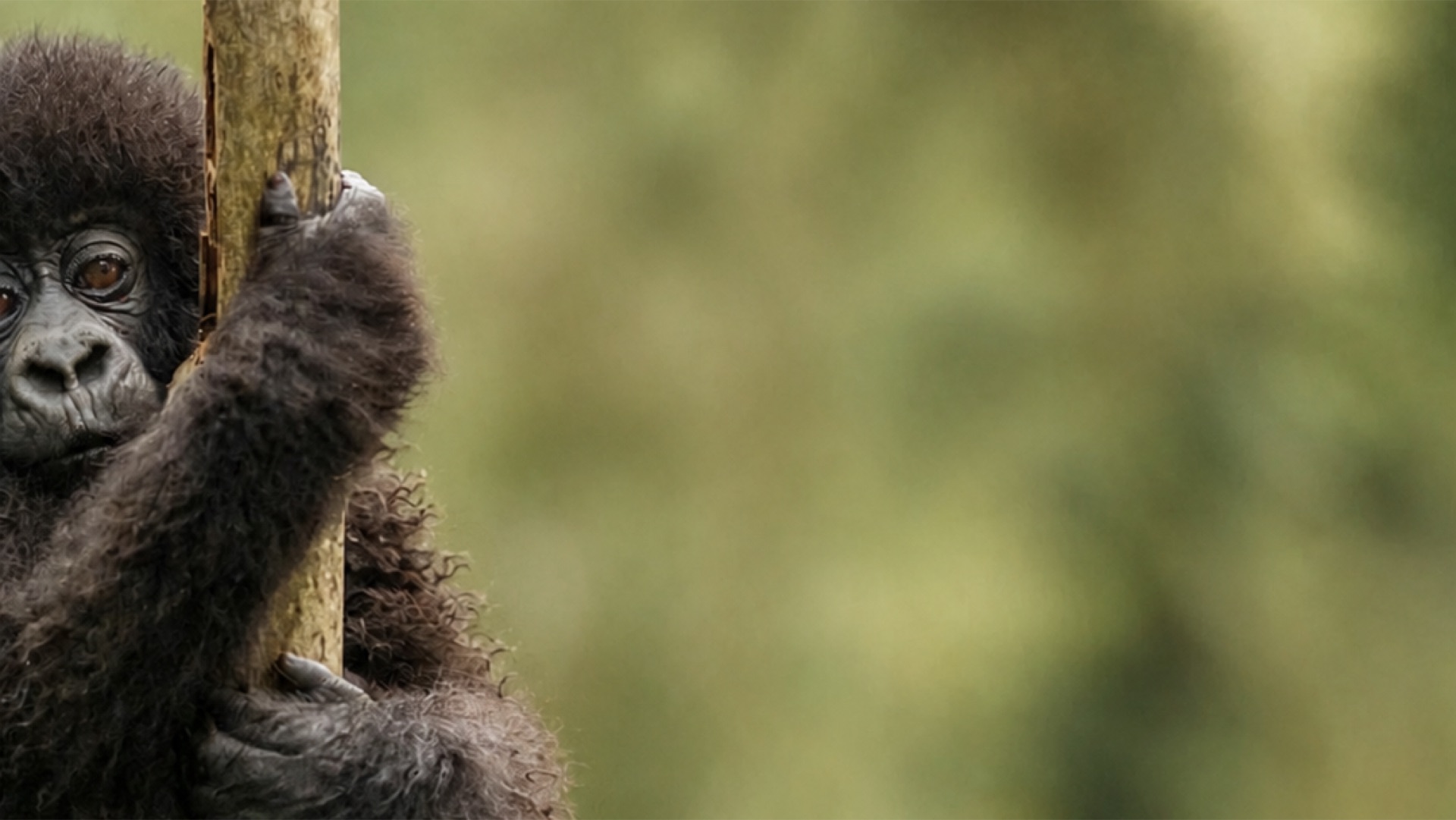
The trek
It rains, they are often asleep, and the hour goes very fast
Almost everything written about gorilla trekking is either reverent or promotional, and neither prepares anybody for the specifics. Knowing them beforehand makes the morning better rather than worse.
The day
Five things worth knowing before you go
None of them will put you off. All of them will make the morning go better.
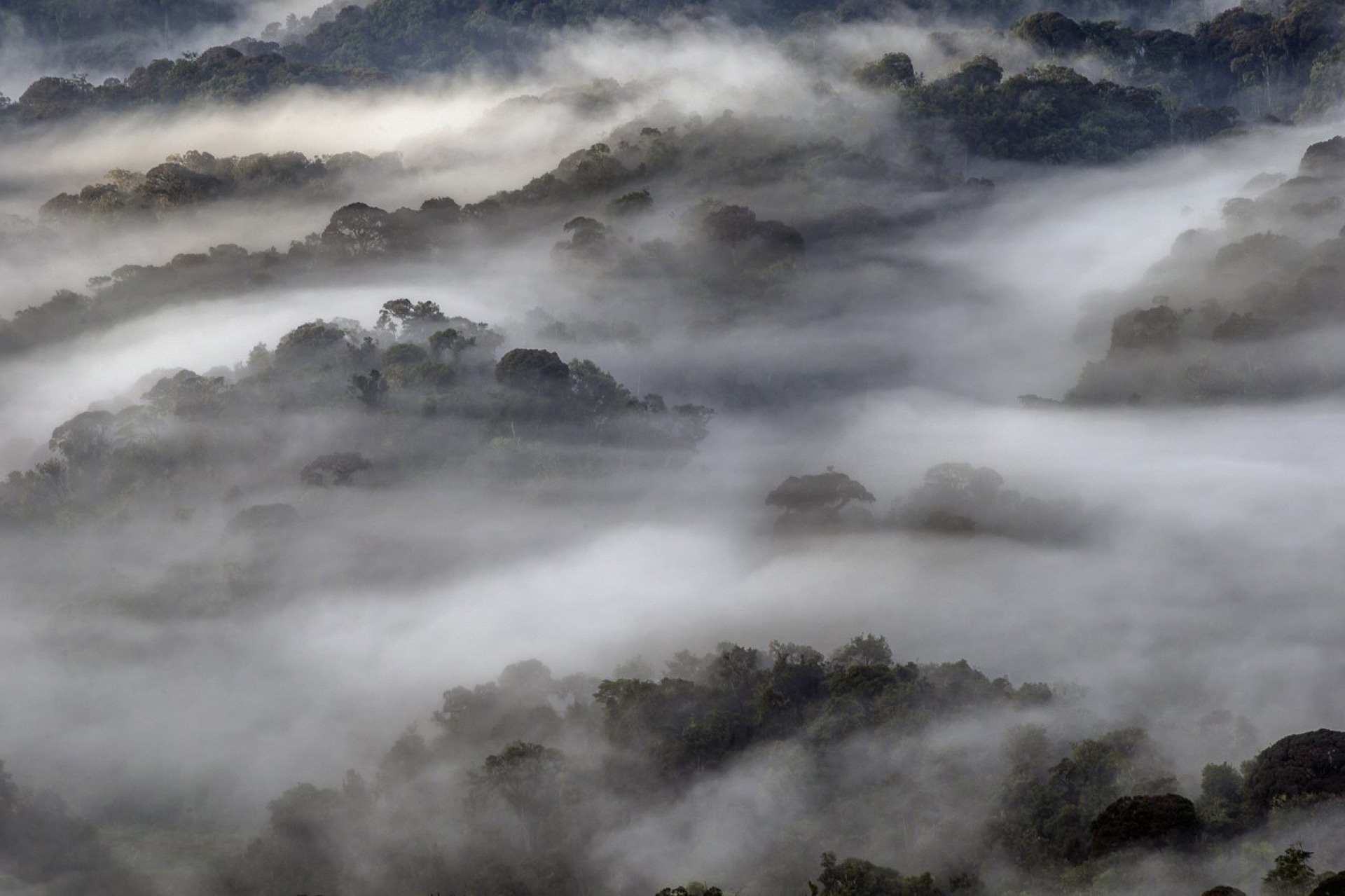
The shape of the day
Briefing, allocation to a family, a drive to a trailhead, then a walk that may take forty minutes or most of the morning.
Hour by hour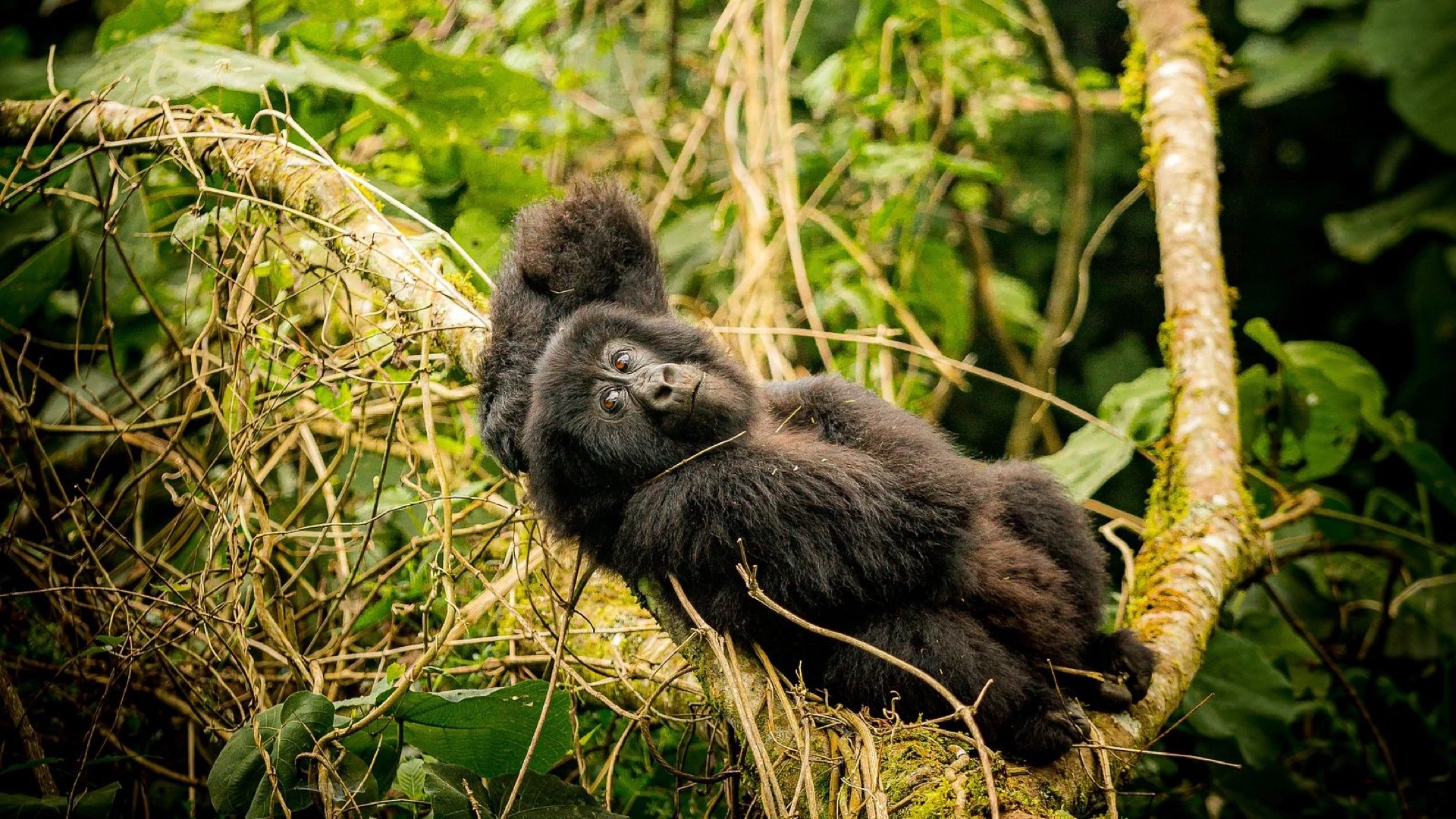
Fitness and kit
Altitude in Rwanda, terrain in Uganda, and seven things to wear — including gardening gloves, genuinely.
What to pack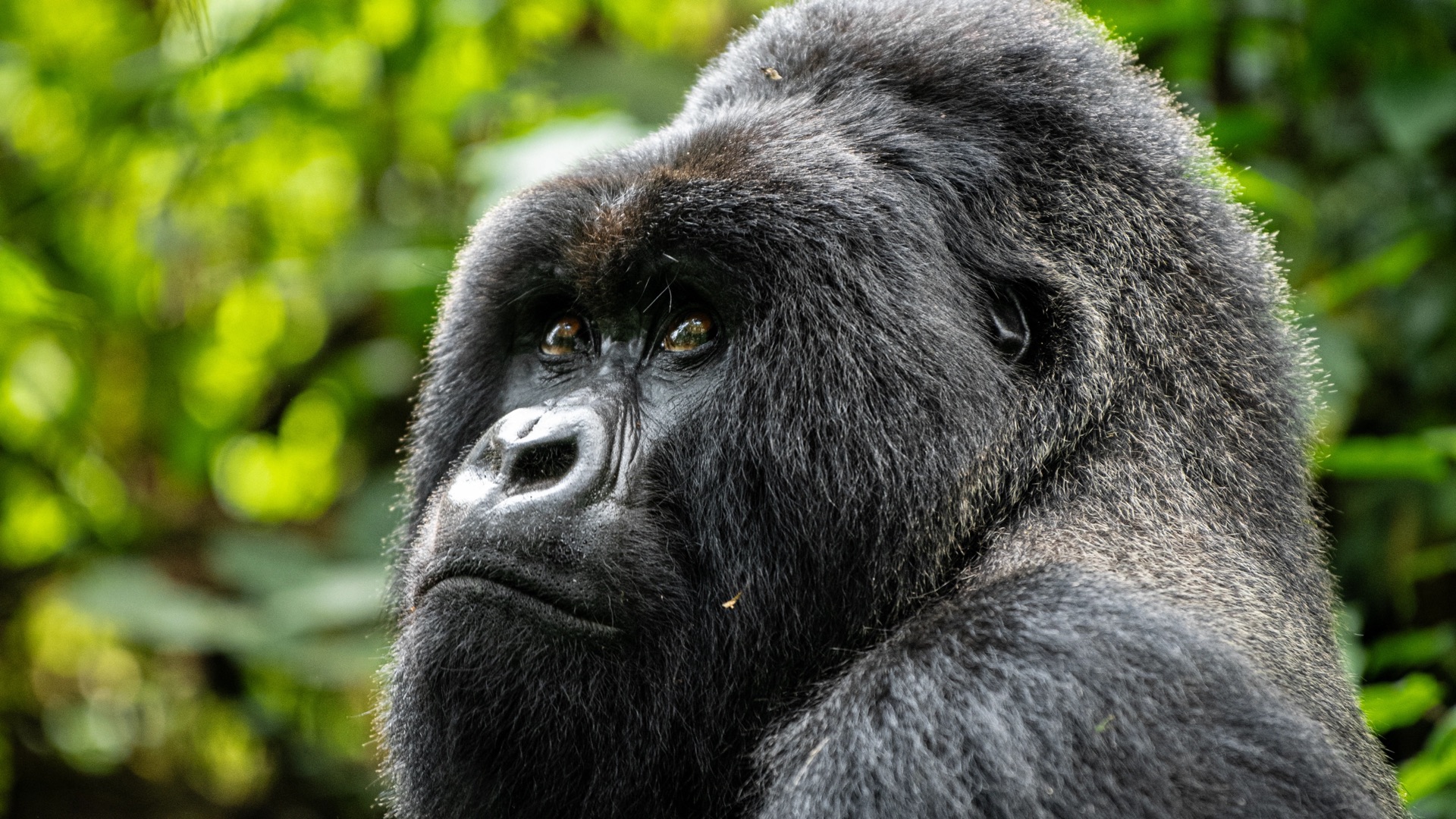
The hour itself
Not what the photographs suggest. Often a shoulder and a face through vegetation — and sometimes a silverback walking past.
What happens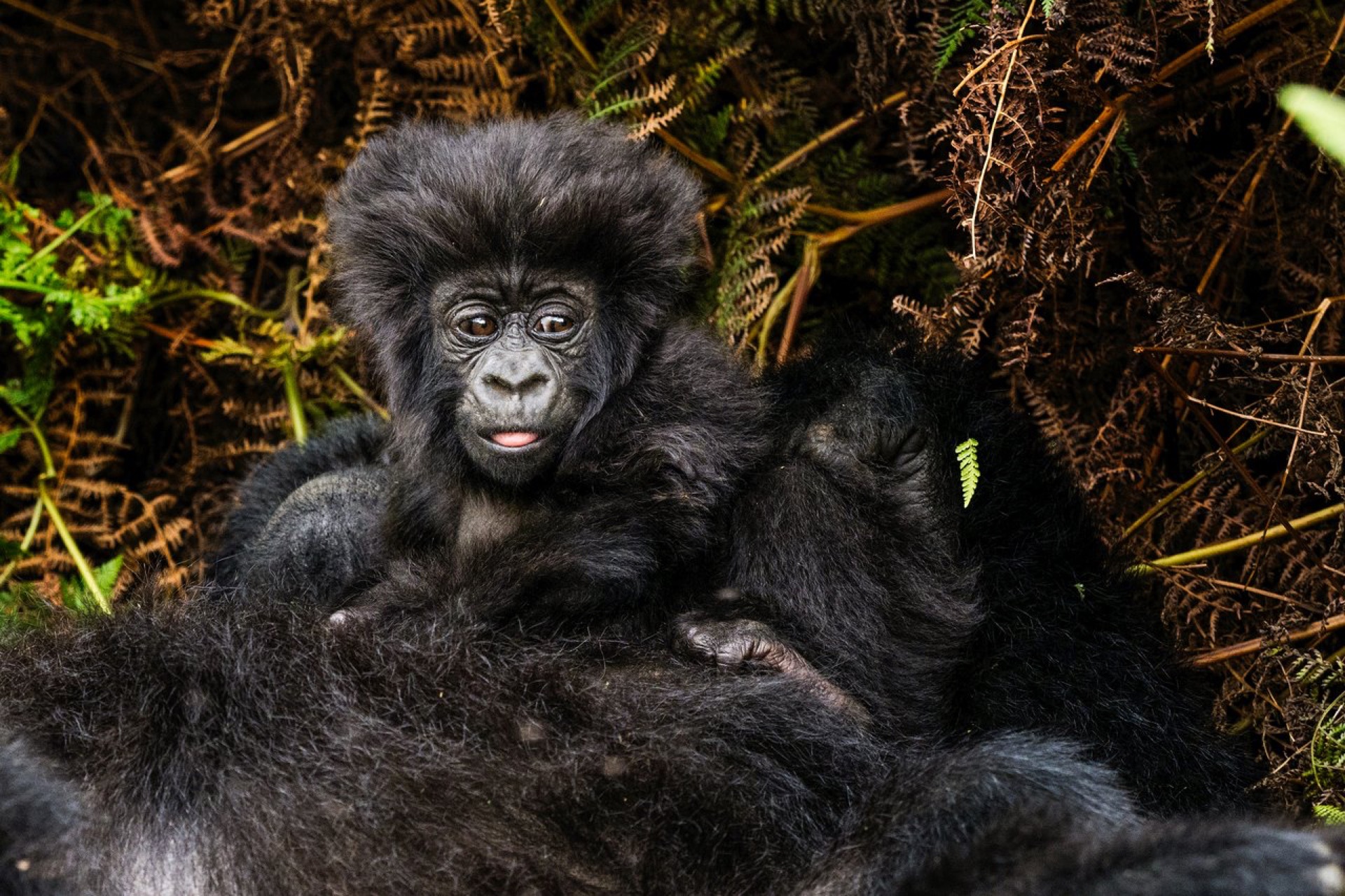
Photography
A dark wet forest at close range. A fast lens matters more than a long one, and black fur against dark leaves fools meters.
How to shoot it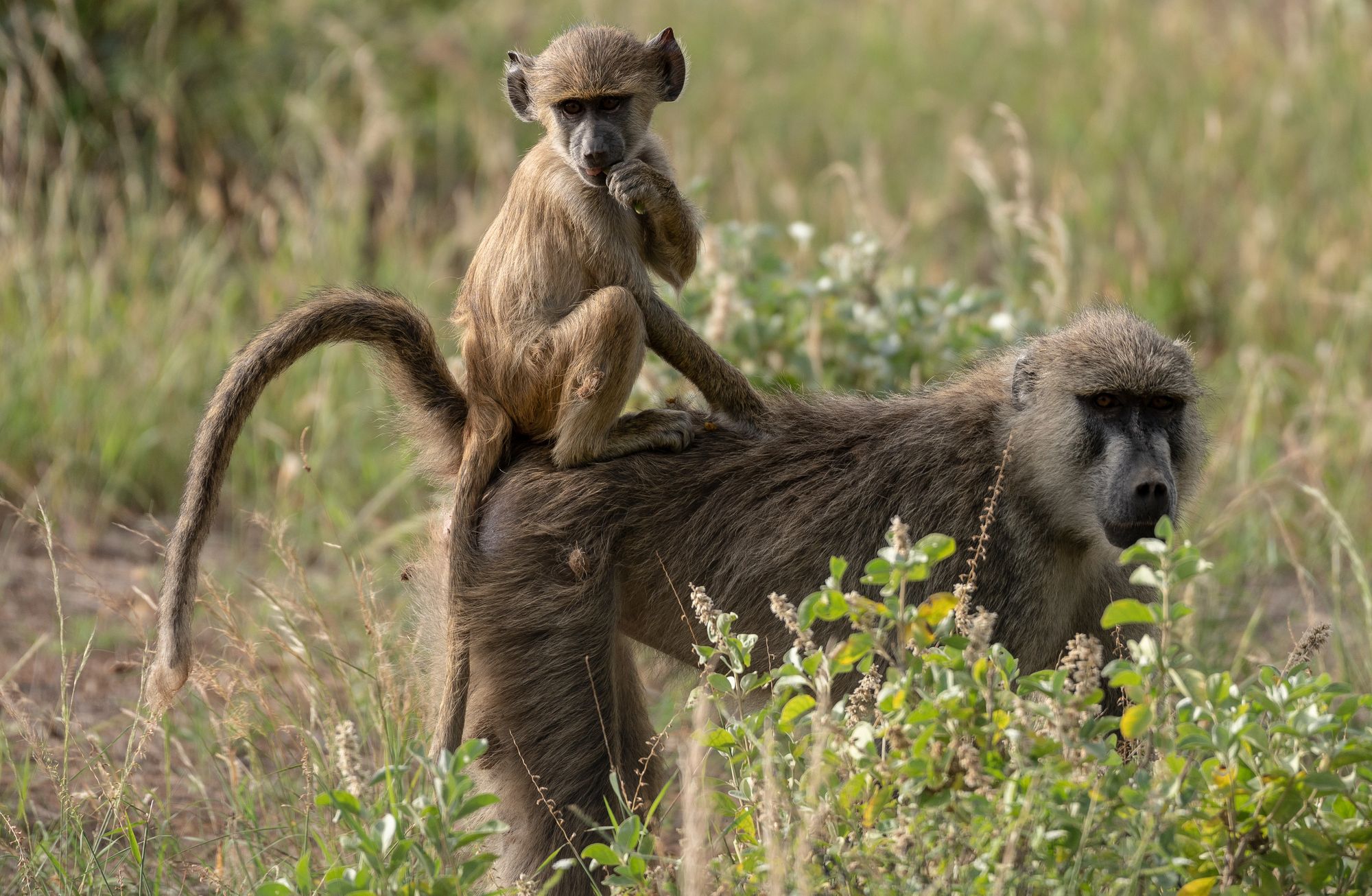
Adding chimpanzees
The opposite experience and a good counterweight — loud, fast and constantly moving, with the tracking more active.
How they differ
Take a porter
They cost little, carry your bag, haul you up the steep parts, and the work is a meaningful local income. Take one anyway.
WhyThe honest version
The photographs you have seen are the best ten minutes of somebody’s hour
A great deal of the time a gorilla family is resting in thick vegetation on a slope, and what you see is a shoulder, a face, an arm through leaves.
And then something happens. A juvenile comes closer than the rules permit and everyone shuffles backwards. A female moves into the open with an infant. A silverback walks past at a distance you will remember for the rest of your life.
Both of those are the experience. Arriving expecting only the second is how people end up quietly disappointed by one of the most remarkable hours available anywhere.
- A minimum viewing distance is required, and has been increased in recent years
- No flash photography, and you speak quietly and move slowly
- The hour is timed from when you reach them, and it goes very fast
- Rain is normal — it is a rainforest, and treks go ahead in it
Free download
The Hour Itself
The specifics nobody tells you: that it rains, that they are often asleep, that the hour goes fast, and that the light is terrible.
- Why nobody prepares you properly
- The shape of the day
- How hard the walk really is
- What to wear, and what to carry
- Porters, and why to take one
- The hour itself
- Photographing a dark wet forest
- Adding chimpanzees, and how they differ
No cost, no obligation. We ask for an email so we can send it and, if you want it, follow up once.
Before you ask
Questions about the trek itself
How hard is the walk?
Harder than most people expect and manageable for most reasonably mobile people. Nothing about it is technical; a good deal of it is slippery.
In Rwanda the challenge is altitude — Volcanoes is high enough that ordinary fitness feels less ordinary. In Uganda it is terrain: Bwindi is steep, dense and genuinely muddy. The pace is set by the group and there is no prize for speed.
Should we take a porter?
Yes, whether or not you think you need one. They cost very little, they carry your bag, they haul you up the steep sections with a hand you will be glad of, and the work is meaningful local income in communities living alongside the park.
People who consider themselves fit often decline and then regret it on a wet descent. It is the easiest good decision on the trip.
What should I take for photography?
A fast lens matters more than a long one — you are close, often very close, and the light under the canopy is poor. A mid-range zoom is generally more useful than a telephoto.
Set the camera up for high ISO before you leave the lodge rather than on a slope, and expect black fur against dark leaves to fool the meter. No flash is permitted.
Is one hour really enough?
It has to be — the limit protects a small population from disturbance and disease, and it is strictly applied. Most people report that it felt like fifteen minutes.
If you want longer, Uganda runs a habituation experience with a family still being habituated: several hours, with researchers, in very small numbers. Places are extremely limited and it needs booking far ahead.
Who actually arranges my safari?
This site is a planning guide. When you send an enquiry it goes to Nomad Africa, our partner travel agency in Kenya, who prepare your itinerary and quote and handle the booking, the payments and you on the ground.
You deal with one team from the first email to the airport transfer home.
Start planning
Tell us your dates and who is walking
Permits are dated and capped, and if anybody in the party has a mobility question it is much better raised now than at the briefing.
Our gorilla specialist replies within 24 hours with permit availability, lodges near the right trailhead, and an itemised price.
- Permit availability checked for your actual dates
- An honest answer on whether the walk suits everybody coming
- Permits itemised rather than folded into a nightly rate
- No deposit to see a plan, and no obligation at any point
Who answers
Nomad Africa, our partner travel agency in Nairobi, builds and prices every itinerary we send. You deal with one team, on the ground, for the whole trip.
Get your tailored itinerary and quote
Our gorilla specialist replies within 24 hours with a costed plan built around your dates.
More from our Rwanda and Uganda guides
Specialist guides across our Rwanda and Uganda network
Each of these is a focused guide we publish. Same gorilla specialist behind every enquiry.